Pragadeesh Natarajan |
June 29, 2026 |
16 Min read
AI sourcing tools offer a powerful solution to the perennial challenge faced by recruitment agencies: efficiently identifying and engaging top talent in a competitive market.
These intelligent platforms automate the often time-consuming and resource-intensive process of finding suitable candidates so that you can focus on building relationships and closing deals.
In this article, we discuss the most effective AI candidate sourcing tools for overcoming sourcing bottlenecks and improving overall hiring outcomes.
What are AI Sourcing Tools?
AI sourcing tools in recruiting and staffing are software applications that use artificial intelligence to streamline the process of identifying, engaging, and hiring top talent.
These tools automate repetitive tasks, improve candidate matching, and enhance decision-making so recruiters can focus on strategic activities.
Some real-world examples include:
1. L’Oréal Group
L’Oréal uses an AI chatbot named Mya to screen candidates for high-volume roles. Mya automates initial interactions with applicants and reduces time-to-hire by 30%.
2. Unilever
Unilever implemented AI recruiting tools for entry-level hiring that include gamified assessments and video interviews analyzed by machine learning. The company reported a 50% reduction in hiring time while improving candidate quality.
3. Amazon Web Services (AWS)
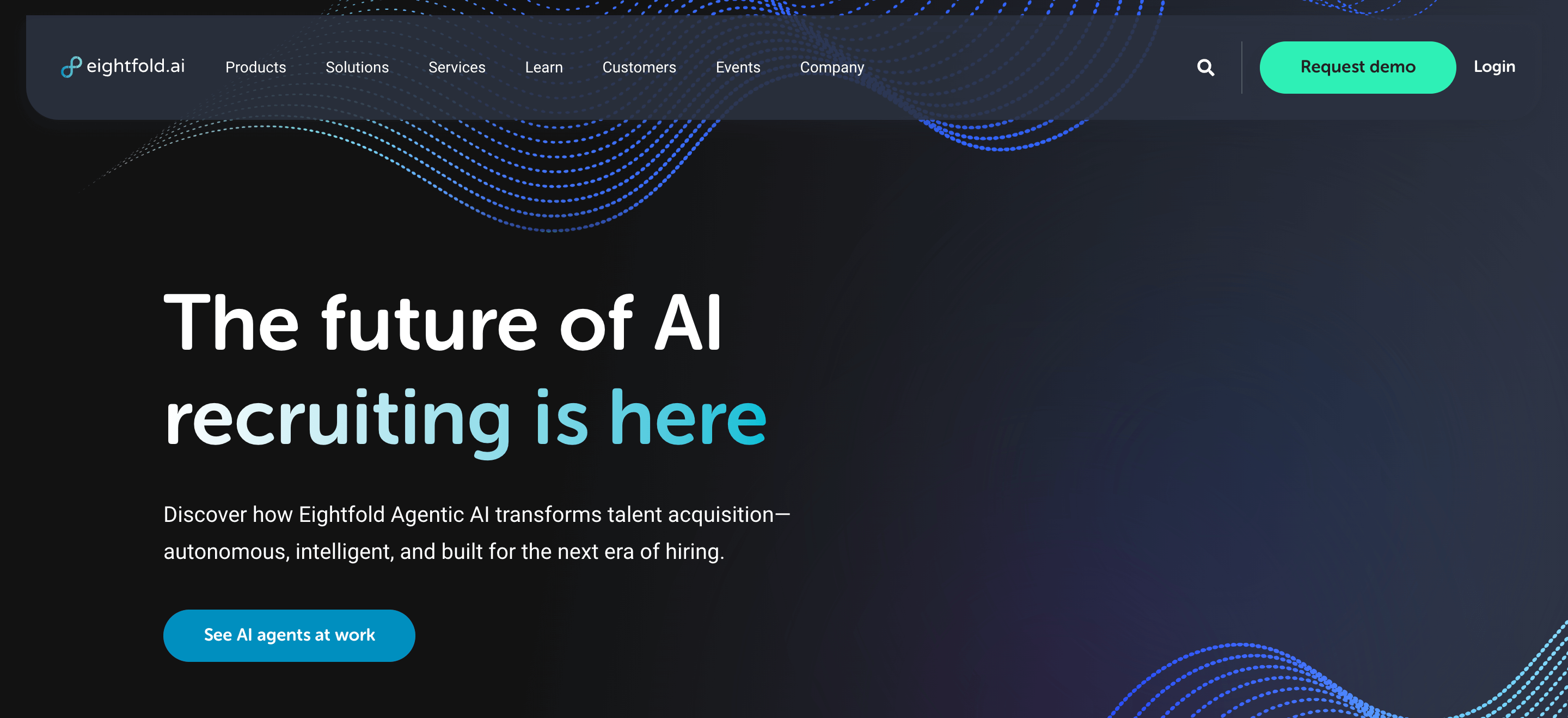
AWS leverages AI sourcing tools like Eightfold.ai to match internal talent with open positions. This helps enhance employee retention through internal mobility programs.
Key Features of AI Sourcing Tools
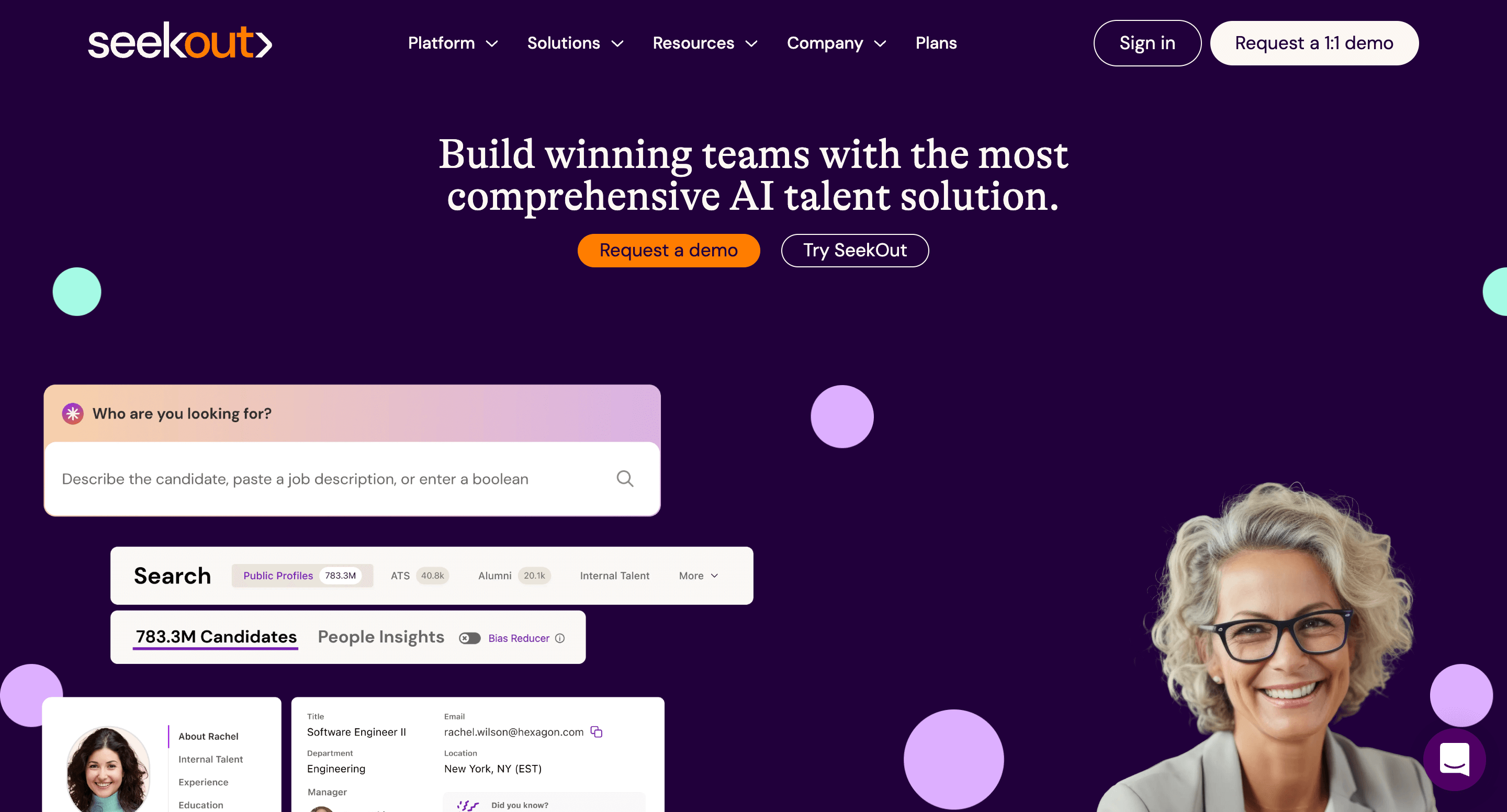
Automated Candidate Search AI sourcing tools scan job boards, social media platforms, and internal databases to identify candidates who meet specific job criteria. Tools like SeekOut offer access to over 750 million public profiles and use natural language processing (NLP) to refine searches based on job descriptions.
Resume Screening AI-powered platforms such as Skillate analyze resumes beyond keyword matching and identify candidates whose skills and experience align with open roles. This reduces recruiter bias and improves efficiency.
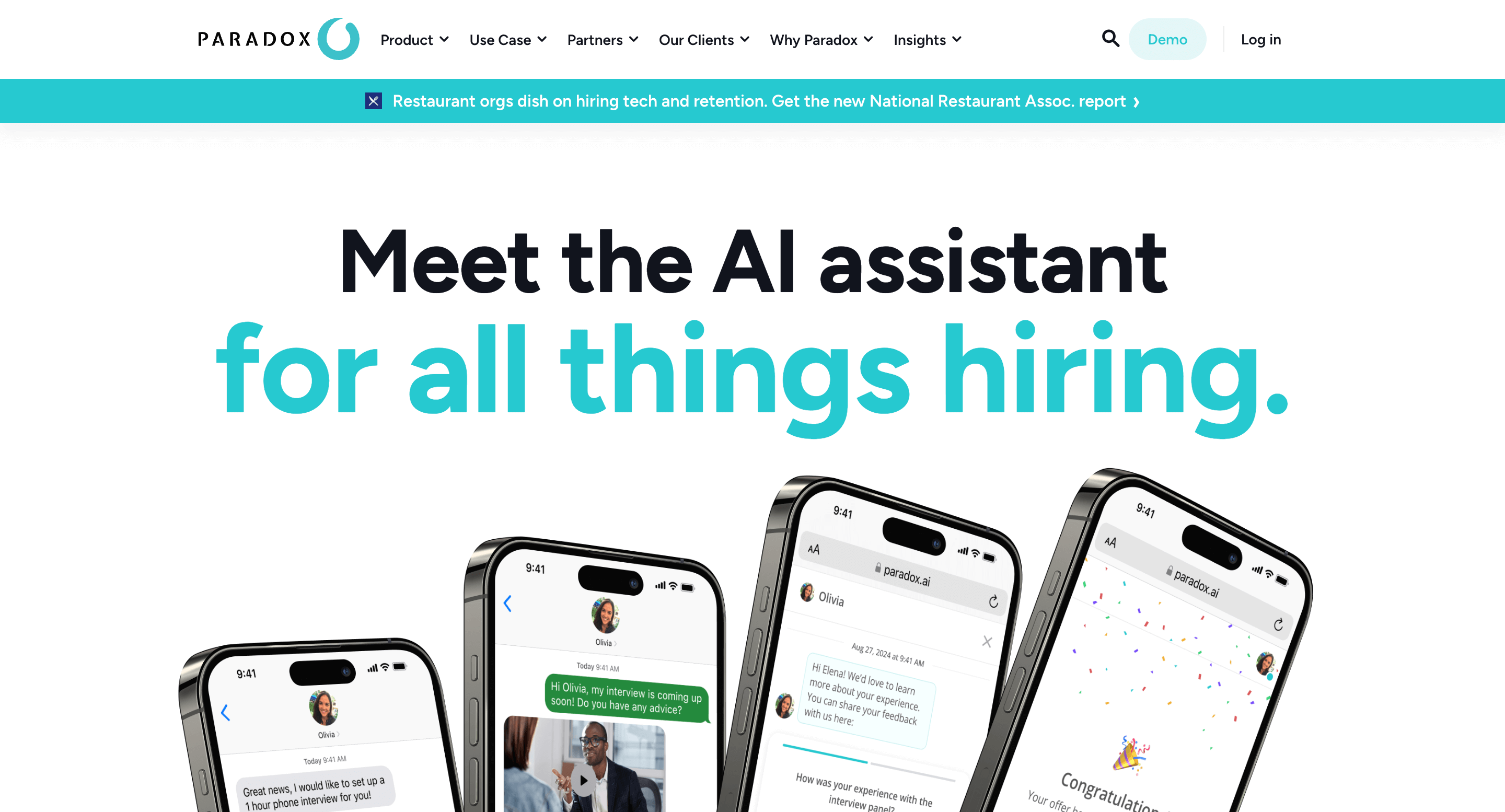
Candidate Engagement Chatbots like those offered by Paradox or Humanly engage candidates through conversational AI, schedule interviews, answer FAQs, and keep applicants informed throughout the hiring process.
Predictive Analytics Tools like Eightfold.ai use machine learning to predict a candidate’s likelihood of success in a role based on historical hiring data and improve the quality of hires.
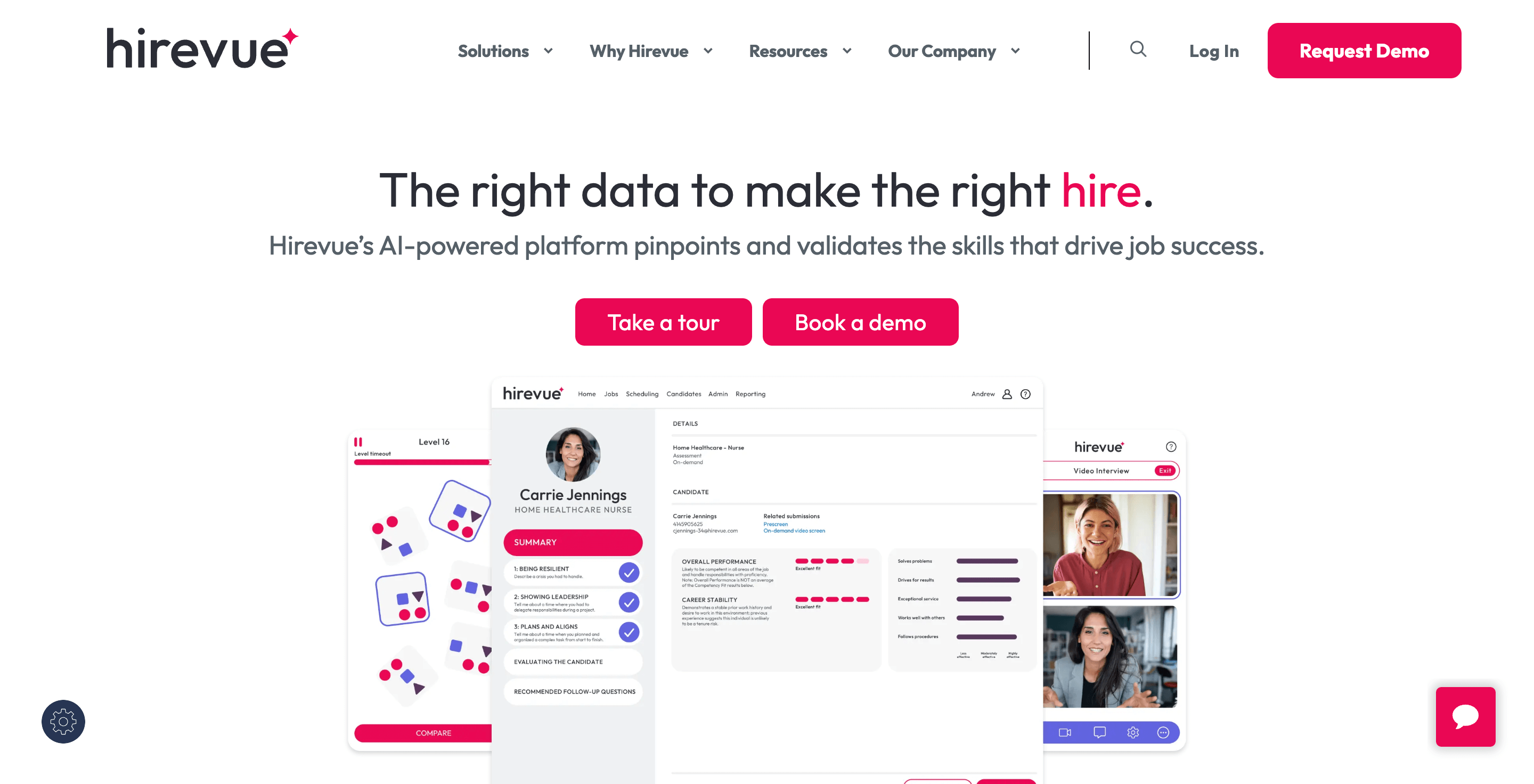
Diversity and Inclusion Many tools anonymize candidate data to reduce bias. For example, HireVue masks personally identifiable information (PII) during the screening process to promote fair hiring practices.
Top Applications of AI Sourcing Tools
Sourcing Passive Candidates AI tools help recruiters identify passive candidates who are not actively seeking jobs but may be open to new opportunities. For instance, AmazingHiring specializes in finding technical talent by aggregating data from platforms like GitHub and Stack Overflow.
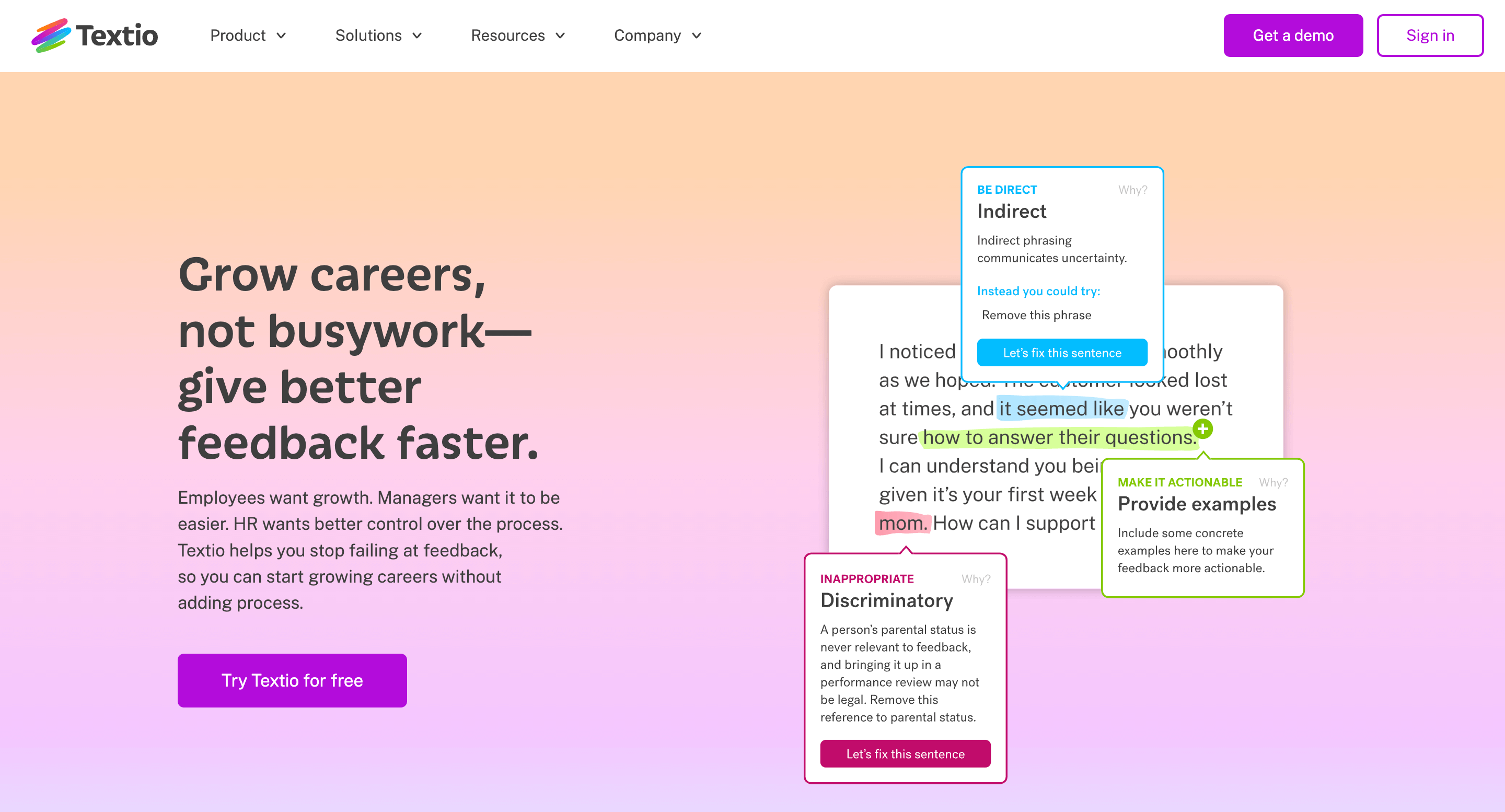
Job Description Optimization Platforms like Textio analyze job descriptions for inclusivity and clarity to ensure they appeal to a diverse pool of candidates.
Interview Automation Tools such as HireVue automate interview scheduling and provide structured interview templates. This saves time while ensuring consistency across evaluations.
Candidate Assessment AI-driven assessments from platforms like Pymetrics use gamification to evaluate candidates’ cognitive abilities and soft skills. This offers you insights into their suitability for specific roles.
Onboarding Solutions like BambooHR automate onboarding tasks, including document signing and workflow customization, to provide a seamless experience for new hires.
Here are the core benefits of using AI sourcing tools in 2026:
1. Time Efficiency
AI sourcing tools significantly reduce the time spent on repetitive tasks such as candidate screening and supplier evaluation.
According to Entelo, talent acquisition professionals spend around 13 hours per week sourcing candidates for a single role.
AI can automate much of this process, freeing up three to five hours per day, which translates to a 41% increase in recruiting efficiency.
2. Higher Quality Matches
AI improves candidate matching by leveraging advanced algorithms that analyze patterns in resume data.
For example, Korn Ferry’s survey found that 69% of talent acquisition professionals reported higher-quality candidates when using AI as a sourcing tool.
3. Cost Savings
By automating tasks like outreach and screening, organizations can reduce recruitment costs and administrative expenses.
Unilever’s adoption of AI-driven recruitment reduced hiring costs by 50%, while shortening recruitment cycles from four months to four weeks.
4. Reduction in Bias
AI sourcing tools mitigate unconscious bias by focusing solely on qualifications and performance metrics.
Research shows resumes with English-sounding names receive 40% more interview requests than identical resumes with non-English names.
AI eliminates such biases by ignoring demographic data during candidate evaluation.
5. Enhanced Engagement and Communication
AI automates up to 75% of recruitment communication processes, including answering queries and sending updates.
This ensures consistent engagement with candidates while allowing recruiters to focus on strategic tasks.
6. Improved Decision-Making Through Data Insights
AI-powered analytics provide actionable insights for refining strategies. For instance, AI identifies the most effective sourcing channels and helps improve key performance indicators like time-to-fill and cost-per-hire.
7. Scalability and Adaptability
AI tools are scalable across industries and adaptable to various needs. One example is using AI-driven recruitment tools to personalize candidate outreach based on individual preferences.
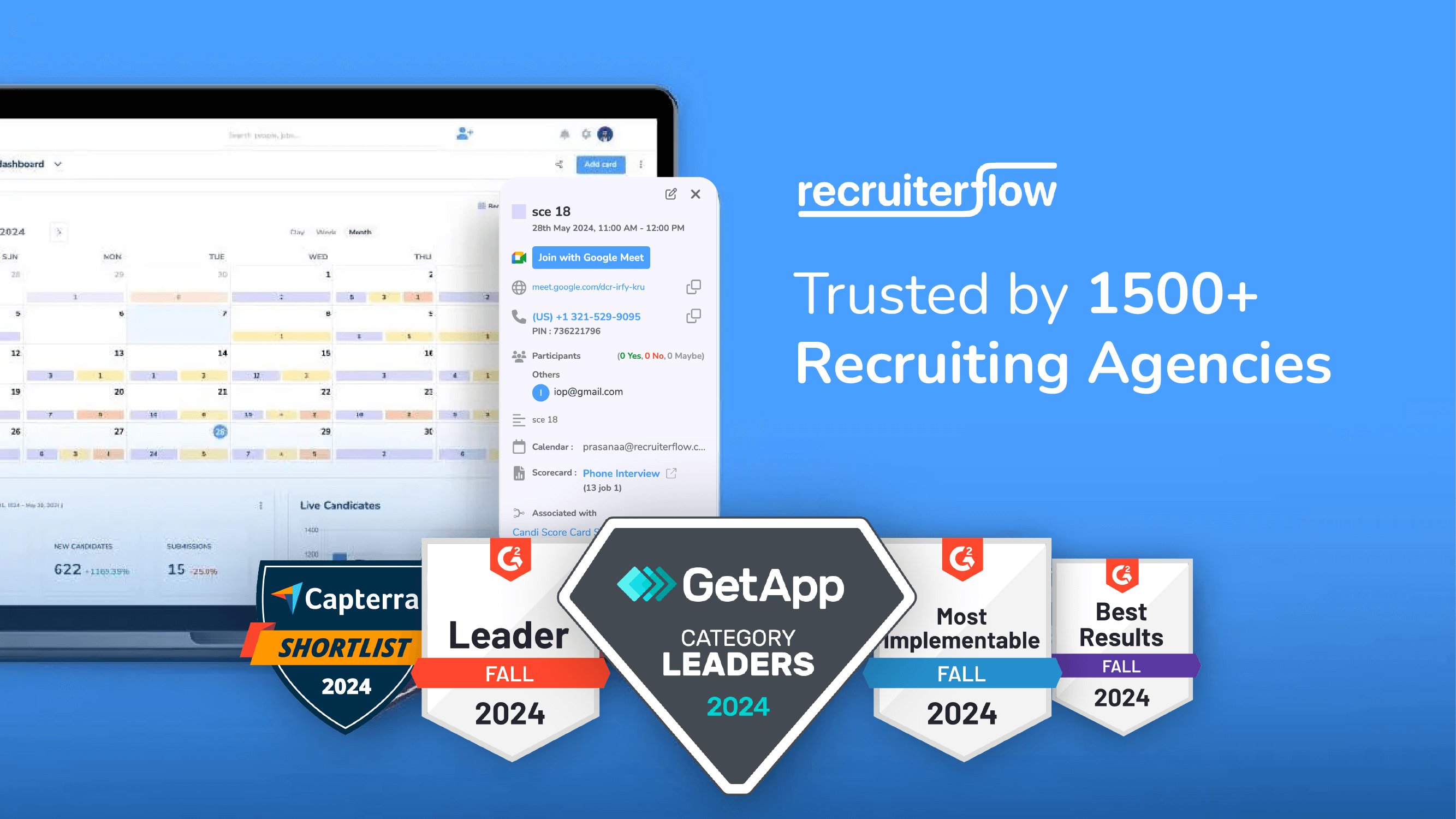
Recruiterflow’s ATS & CRM Rated 4.8/5 on Capterra.
Recruiterflow is an AI-native recruiting system built for retained, contingent, and executive search firms. Unlike most platforms that bolt AI onto a legacy core, Recruiterflow was designed with AI at the centre — through AIRA, an intelligence layer that runs across sourcing, outreach, matching, and pipeline management automatically.
Pricing: $119/user/month
Best for: Retained, contingent, and executive search firms of all sizes — from boutique firms to global operations.
Key capabilities:
AI candidate matching, context capture, and next-action surfacing via AIRA
Multi-channel sequences across email, LinkedIn, SMS, and calls
Client portal, deal pipeline, and collaborative hiring in one system
“With Bullhorn, you have to bolt something on and manage a separate vendor relationship. Recruiterflow had everything integrated.” — Chris Leuzze, FloodGate
Outcomes: 676% more job orders (Believe Resourcing) · 2× placements (PAC Solutions) · 40% more submittals (Guy Last Recruitment)
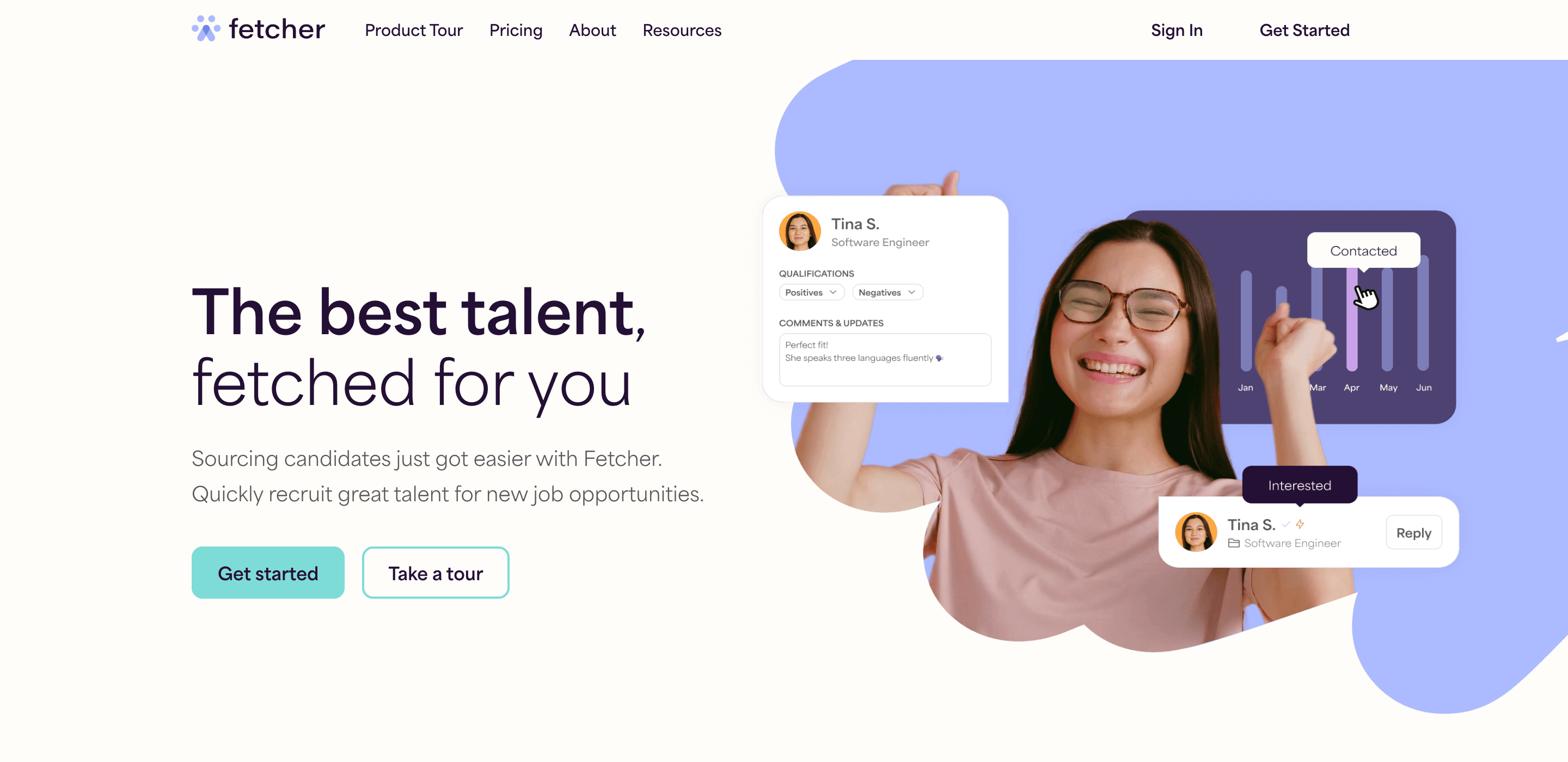
Fetcher is an AI-powered recruiting automation platform that simplifies top-of-funnel hiring tasks. It uses machine learning to identify relevant candidates and initiate contact via email or text.
From $119/user/month Best for: In-house talent acquisition teams and search firms running AI-native outbound sourcing
Juicebox is an AI-native sourcing platform built around natural-language search. Recruiters describe their ideal candidates in plain English, and Juicebox surfaces ranked matches across over 800 million candidate profiles from 30+ data sources, eliminating the need for complex Boolean searches. It combines AI-powered sourcing, autonomous agents, talent intelligence, and outreach workflows in a single platform.
What it does well:
Natural-language search across over 800 million candidate profiles, with conversational search refinement.
Autonomous AI Agents that continuously source candidates for open roles and improve recommendations based on recruiter feedback.
Talent Insights overlays geography, skills, tenure, and seniority on any search pool
Pros:
Self-serve onboarding in about 60 seconds.
Multi-step outreach sequences.
Integrates with leading ATS and CRM platforms.
Cons:
Primarily focused on sourcing, so it works best alongside an ATS such as Recruiterflow for end-to-end recruiting workflows.
Optimized for outbound sourcing rather than inbound applicant management.
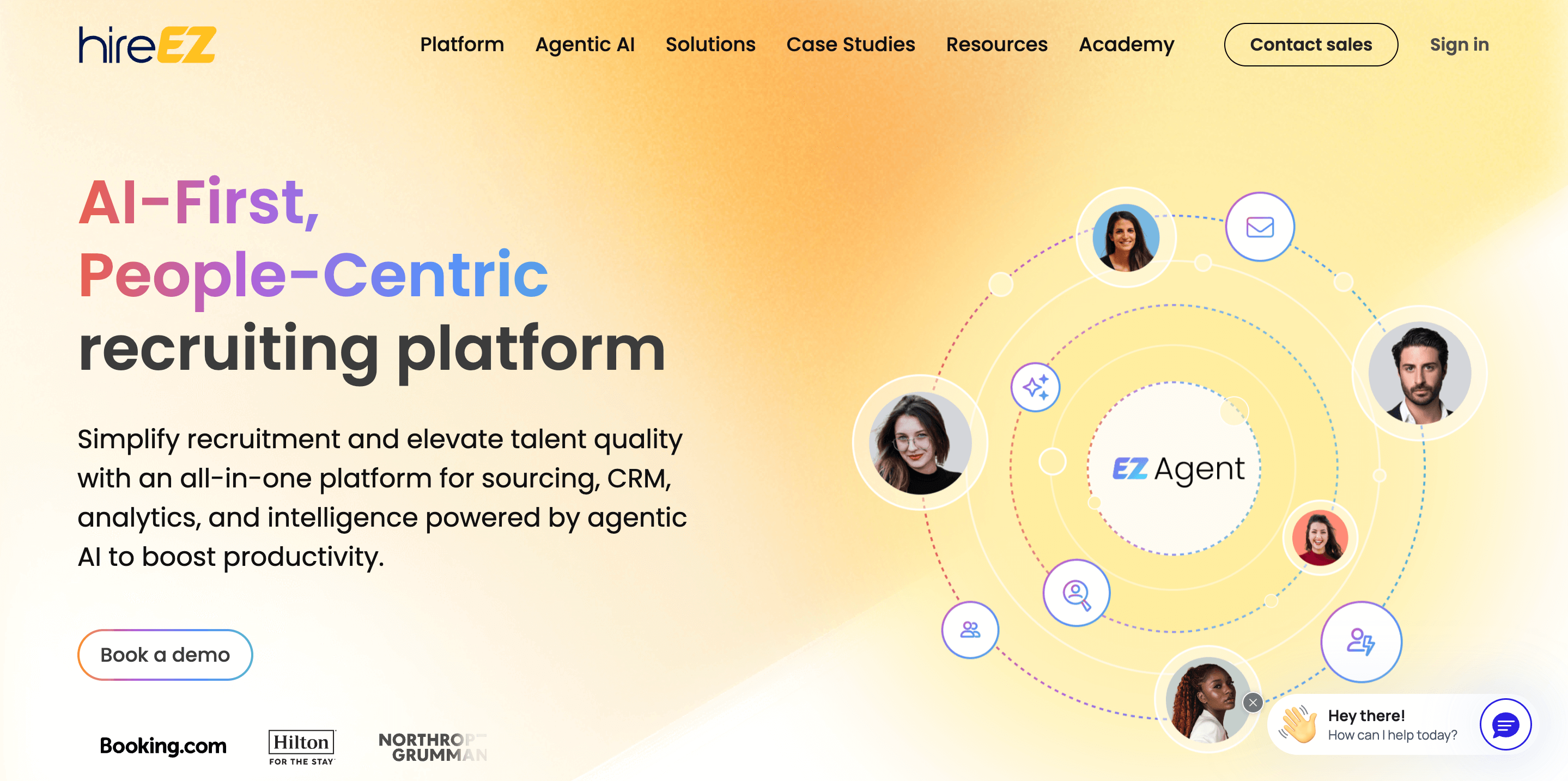
4. hireEZ
Formerly Hiretual, hireEZ aggregates candidate data from 800+ million profiles across job boards and social media platforms.
Key Features:
AI-powered search filters
Diversity recruiting tools
Seamless ATS integration
Real-time contact information
Pros:
Excellent for niche hiring
Wide data coverage
Easy integration with ATS
Cons:
Higher pricing compared to competitors
Limited free trial features
Best For: Companies needing specialized expertise and diversity hiring.
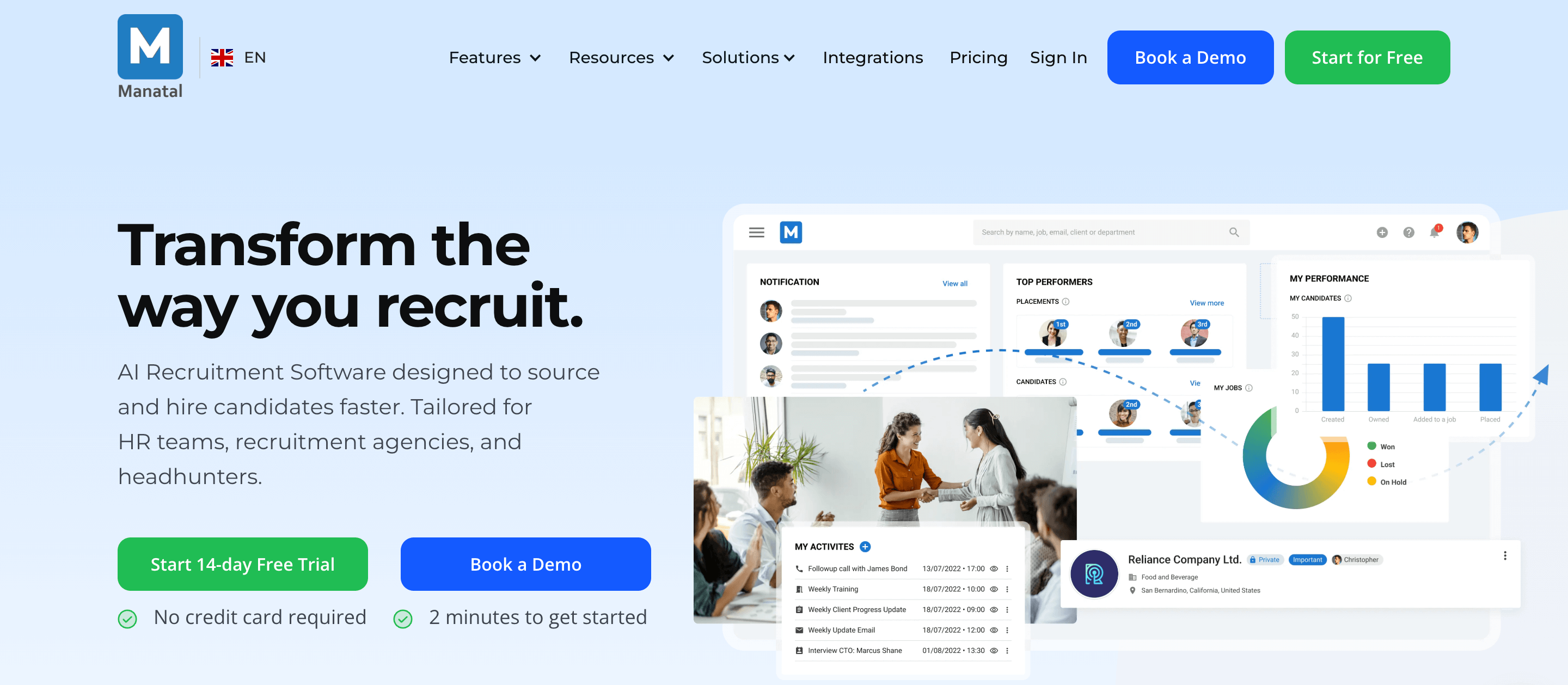
Manatal is an AI-powered applicant tracking system (ATS) designed for SMBs. It simplifies recruitment workflows while offering AI-driven candidate recommendations.
Key Features:
AI-based candidate scoring
Social media data integration
Customizable pipelines
Advanced reporting tools
Pros:
Affordable pricing
User-friendly interface
Excellent for small businesses
Cons:
Limited scalability for large enterprises
Basic analytics compared to competitors
Best For: Small-to-medium businesses looking for affordable ATS solutions.
“We’ve been using RecruiterFlow for the past two years and it has streamlined our recruiting process. The platform has a user-friendly interface and automation tools that help us efficiently manage candidate pipelines, reduce manual tasks, and communicate with clients. It serves as the command center for our recruiting operation, allowing us to focus on building relationships. They have exceptional customer success that is quick to assist, eager to hear feedback, and committed to product development. I recommend it to any small agency looking to optimize its workflows.”
Pragadeesh Natarajan is a content marketer with over four years of experience creating user-centric content for the B2B SaaS, HR tech, recruitment, and survey research industries.







Pragadeesh Natarajan