

Contingent Recruitment: A Comprehensive Guide for Agencies
There’s a steady increase in demand for contingent recruiting, with almost 50% of agency owners preferring it as their primary recruitment model in 2024. Are…
10 Next-Level Marketing Strategies for Recruitment Agencies
Anyone running a recruitment or staffing agency knows what you’re really selling is outcomes: fewer hiring headaches for clients and better jobs for candidates. But…

The Complete Guide to Contract Staffing in 2026
Permanent placement revenue has been under pressure for the better part of two years. Clients are cautious. Decision cycles are longer. Hiring freezes come and…
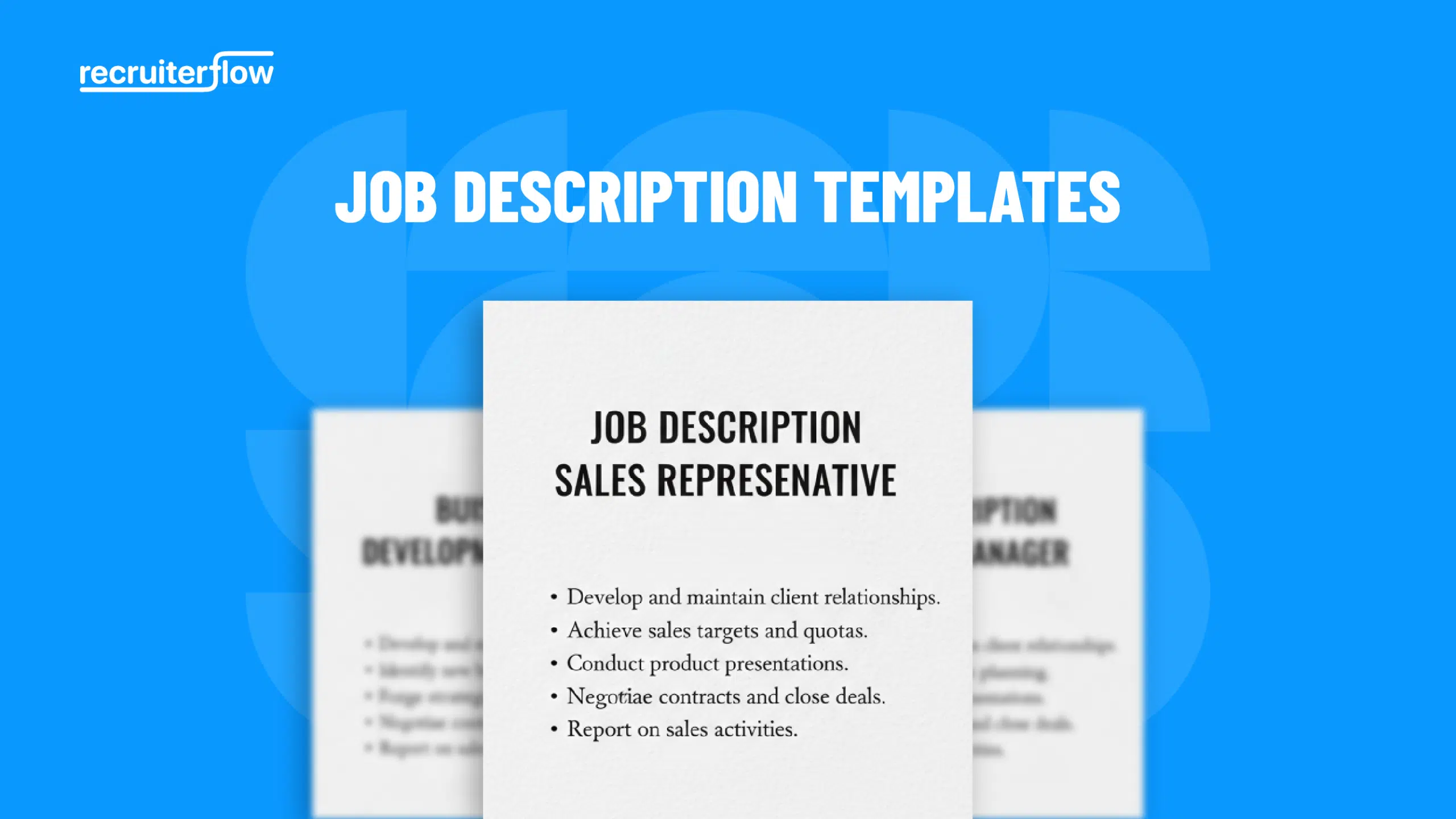
Job Description Templates to use in 2026
We’ve curated a collection of job description templates to help recruiters create clear, consistent, and effective job postings that attract qualified candidates. Job description templates…

Guide to Social Media Recruiting
With over 5.16 billion active social media users worldwide, integrating social media into your recruitment strategy is no longer optional– it’s essential. But how to…

How AI for Executive Search is Transforming Recruitment
Executive searches aren’t just about hiring the right person. It involves solving a core strategic puzzle for a company — and shaping its future. Keyword…
Popular Posts


Will AI Kill Executive Search Firms? Sequoia says NO.
April 2, 2026

Recruitment Technology: A Complete Guide for 2026
March 30, 2026
15 Proven Recruitment Marketing Ideas in 2026
March 30, 2026