

5 common staffing mistakes to avoid in healthcare
No one is perfect, and recruiters are no exception. Even the most experienced managers make mistakes when it comes to staffing their teams. There are…
10 Best Social Media Recruiting Tools You’ll Need in 2026
Your time is your agency’s most valuable currency. In 2026, every manual candidate search and generic social media outreach represents lost revenue and missed opportunities.…

30+ Executive Search Software to Look For in 2026
There’s search, and then there’s executive search. The key difference is not just the seniority of the role but a complex web of process, sanity,…

How to Optimize Your End-to-End Recruitment Workflow
TL;DR A well-defined recruiting workflow helps teams hire faster and more consistently, even when candidates and stakeholders don’t respond on time. By clearly mapping each…

The Most Comprehensive AI Recruiting Guide Ever Made!
AI recruiting has transformed the traditional recruitment approach. Over a third of hiring leaders have embraced AI in recruitment, and 40% are investing to upskill…
Top Recruitment Tech Stack & Tools in 2026
Recruiters in 2026 are being asked to cut cost-per-hire and raise bar-per-hire at the same time. This requires inordinate amounts of planning, collaboration and execution.…
Popular Posts
Will AI Kill Executive Search Firms? Sequoia says NO.
April 2, 2026

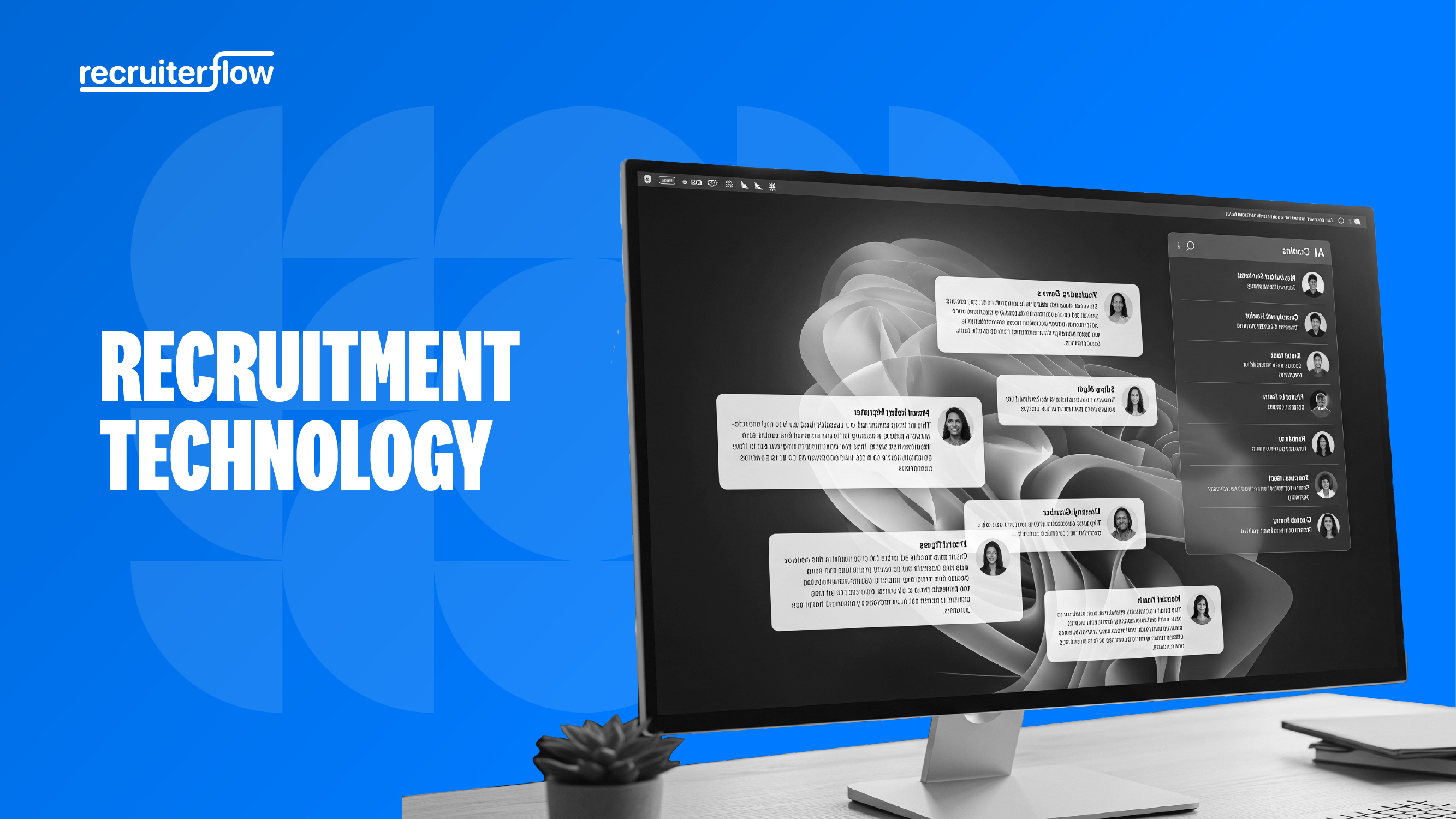
Recruitment Technology: A Complete Guide for 2026
March 30, 2026
15 Proven Recruitment Marketing Ideas in 2026
March 30, 2026